
Feeling nervous about anesthesia before your surgery is completely normal. At Commaander Hospital, Hastsal, our experienced anaesthesiologists make sure you are safe, comfortable and pain-free throughout your procedure, from the moment you enter the operation theatre to when you fully wake up.
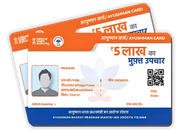
🟢 If you have an Ayushman card, anaesthesia charges for eligible surgeries at Commaander Hospital are covered under PMJAY. Bring your card and Aadhaar, no advance payment needed.
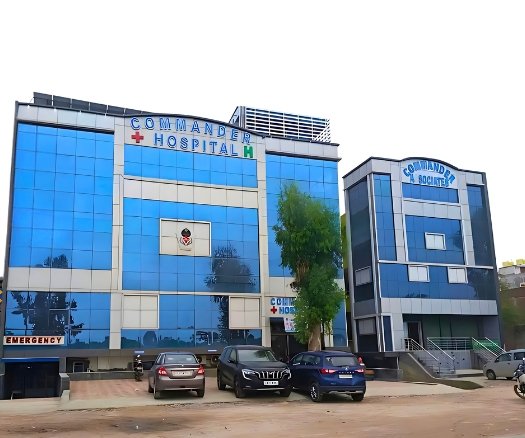
Anaesthesia is what makes surgery possible without pain. But beyond just putting you to sleep, the anaesthesiologist’s job is to monitor your entire body, breathing, heart rate, blood pressure, oxygen levels, every second while you are in the operation theatre.
At Commaander Hospital in Hastsal, West Delhi, our anaesthesiology department works alongside every surgical team, whether it is a general surgery, orthopaedic procedure, C-section delivery or a laparoscopic operation. The anaesthesiologist is present before, during and after your surgery to make sure everything goes smoothly.
We offer general anaesthesia, spinal anaesthesia and epidural anaesthesia depending on the type of surgery you are having. Your anaesthesiologist will assess your health, discuss the options with you and choose the safest approach for your specific condition.
The type of anaesthesia used depends on your surgery and your health condition. Your anaesthesiologist will explain this to you before the operation.

You are completely unconscious during the surgery. This is used for major operations, abdominal surgeries, chest procedures, complex orthopaedic cases and more. You feel absolutely nothing and wake up only after the surgery is complete.

A single injection in the lower back numbs everything from the waist down. You are awake but completely pain-free below the waist. Commonly used for hernia repair, piles surgery, knee procedures, C-section deliveries and lower body surgeries.
Similar to spinal anaesthesia but using a thin tube that stays in place, allowing continuous pain control. This is especially useful for labour pain during delivery and for managing pain after major surgeries.
A small area is numbed while you are kept relaxed and drowsy with mild sedation. Used for minor procedures and day care surgeries where a full general anaesthesia is not needed. You recover faster and can usually go home sooner.
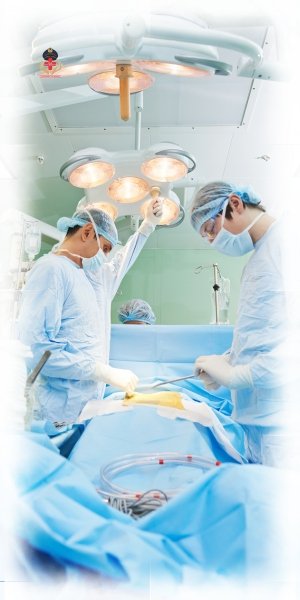
Our Role in Your Care
The anaesthesiologist's job starts well before you enter the OT and continues until you are safely recovered.
Before your operation, your anaesthesiologist reviews your medical history, current medications, allergies and overall health to plan the safest approach for you personally.
Throughout the procedure, your anaesthesiologist monitors your heart rate, blood pressure, oxygen levels and breathing, adjusting the anaesthesia in real time to keep you stable.
Waking up in pain after surgery is not something you should have to deal with. Our team manages post-operative pain so your recovery is as comfortable as possible from the very start.
For emergency surgeries, accident cases, appendicitis, trauma, our anaesthesiology team is available round the clock at Commaander Hospital, 24 hours a day, 7 days a week.
Our team provides anaesthesia for both C-section deliveries and pain relief during labour, working closely with our gynaecology team to keep both mother and baby safe at all times.
Elderly patients, diabetics, those with heart or kidney conditions need extra care during anaesthesia. Our team is experienced in managing complex cases where standard anaesthesia needs to be carefully modified.
Modern anaesthesia is very safe when given by trained specialists using proper monitoring equipment. The risks are low for most healthy adults. For patients with diabetes, BP or heart conditions, your anaesthesiologist will assess the risks in advance and take extra precautions. At Commaander Hospital, your safety is monitored continuously throughout the procedure.
No. Whether you are under general anaesthesia, spinal or epidural, the goal is complete pain relief in the area being operated on. With general anaesthesia you will be fully unconscious. With spinal or epidural, you may feel some pressure or movement but no pain at all.
Most patients begin to come around within 5 to 15 minutes after surgery ends. You will be in a recovery area where the team monitors you as the anaesthesia wears off. Full alertness usually returns within an hour, though some drowsiness can last a few hours.
This is a standard safety requirement. If there is food or liquid in your stomach during general anaesthesia, there is a risk of it entering the lungs, which can cause serious complications. Your doctor will tell you exactly how many hours before surgery to stop eating and drinking.
Neither is universally better, it depends on the type of surgery and your health condition. Spinal anaesthesia allows you to stay awake while feeling no pain below the waist and often means a faster recovery. General anaesthesia is needed for surgeries involving the chest, abdomen or when you cannot be awake. Your anaesthesiologist will choose based on what is safest for you.
Yes, it is done safely every day with proper planning. Your anaesthesiologist will review your current medications, blood sugar and BP levels before the surgery and adjust the anaesthesia plan accordingly. These conditions need to be managed carefully but they do not mean you cannot have surgery.
Talk to our team at Commaander Hospital, Hastsal before your procedure. We will walk you through the anaesthesia process and address any concerns you have.
📍 Vikas Nagar, Shiv Vihar West, Hastsal, New Delhi – 110059 | Open 24×7
At Commaander Hospital, patient safety during anaesthesia is not just a protocol, it is something we take personally for every single patient.
Heart rate, oxygen levels, blood pressure and breathing are monitored every second throughout your surgery.
No two patients are the same. Every person gets a detailed assessment before their anaesthesia plan is finalised.
In the rare event of a complication, our team and equipment are prepared to respond immediately, with ICU backup available.
Commaander Hospital follows NABH-accredited standards for operation theatre safety, sterility and anaesthesia administration.
Our Certifications & Insurance Partners
Certified, Accredited and Recognised
Our Accreditations & Registrations
Commaander Hospital meets the highest standards of patient safety and quality care as recognised by government's national accreditation and insurance bodies.



We Accept Major Health Insurance Plans
Insurance Partners
Commaander Hospital works with leading insurance providers so you can get cashless or reimbursement treatment without any hassle. Check with our reception desk for your insurance eligibility.